
Keeping a rental property compliant can feel like a moving target, with rules changing and the responsibility resting squarely on the landlord’s shoulders. Among the most important, and most frequently misunderstood, are the requirements around smoke and carbon monoxide alarms. Get them right and you protect your tenants and yourself; get them wrong and you risk a hefty fine and, far worse, a preventable tragedy. As specialists in landlord compliance and property safety across Hampshire, we help landlords stay on the right side of these rules every day, and this guide sets out exactly what is expected of you.
What The Law Requires Of Landlords
The regulations covering alarms in rented homes in England are clear on the essentials, and they apply to almost all private landlords. In short, you must ensure that a smoke alarm is fitted on every storey of the property that is used as living accommodation, and that a carbon monoxide alarm is fitted in any room used as living accommodation that contains a fixed combustion appliance, such as a gas boiler, a wood burner or a gas fire. Purely decorative appliances are the main exception, but if in doubt it is always safer to fit an alarm.
Crucially, the rules also require that alarms are checked and confirmed to be in working order on the very first day of a new tenancy. This is not a box-ticking formality; it is a legal duty, and being able to evidence that the check took place protects you if a question is ever raised. After that first day, keeping the alarms working during the tenancy becomes a shared responsibility, which we will come to shortly.
Where Alarms Must Be Fitted
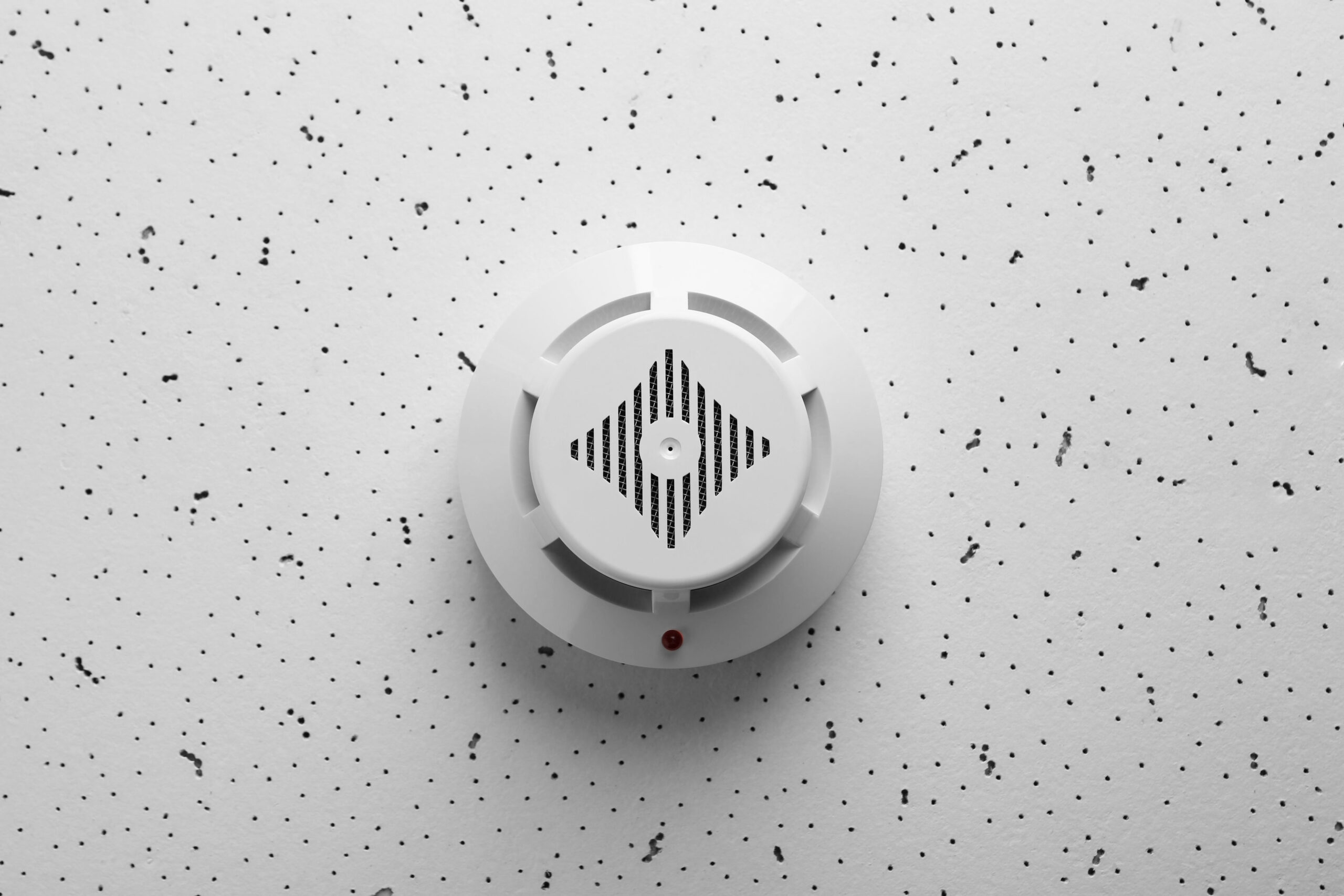
Positioning matters just as much as having the alarms in the first place, because an alarm in the wrong place may not do its job. As a practical guide for a typical rental property:
- Smoke alarms: at least one on every storey used as living space, ideally on ceilings in hallways and landings where smoke will travel.
- Carbon monoxide alarms: in every room with a fixed combustion appliance, positioned according to the manufacturer’s instructions relative to the appliance.
- Boiler cupboards and kitchens: rooms with gas boilers need particular attention, as these are common sources of carbon monoxide.
- Rooms with wood burners or gas fires: often overlooked, yet these are exactly the rooms the carbon monoxide rules are designed to cover.
Because every property is different, a quick professional assessment is the surest way to know your alarms are both compliant and genuinely effective. It is a small step that removes any doubt.
Whose Responsibility Is Ongoing Testing?
This is where confusion often creeps in. The landlord is responsible for making sure alarms are working at the start of each new tenancy, and for repairing or replacing any alarm that is found to be faulty when the tenant reports it. During the tenancy, tenants are generally expected to test the alarms regularly and to let the landlord know if one stops working, for example if it fails a test or the low-battery warning sounds.
In practice, the sensible landlords we work with do not leave it entirely to chance. Building an alarm check into routine property inspections, and keeping a dated record of every test, gives you both compliance and peace of mind. Should a dispute or incident ever arise, that paper trail is invaluable, and it demonstrates that you have taken your duty of care seriously.
The Risks Of Getting It Wrong
The consequences of non-compliance are not trivial. Local authorities can issue a remedial notice requiring you to put things right, and failing to comply can lead to a substantial financial penalty. Beyond the legal and financial risk, however, is the human one: working smoke and carbon monoxide alarms genuinely save lives, and carbon monoxide in particular is a silent, odourless danger that a functioning alarm may be the only thing to detect.
We say to landlords often that alarm compliance is one of the cheapest and most important investments you can make in a property. The cost of fitting and maintaining the right alarms is small; the cost of getting it wrong can be immeasurable. It is simply not an area worth cutting corners on.
Frequently Asked Questions About Smoke and Carbon Monoxide Alarms Rules
Do I need a carbon monoxide alarm if the property has no gas?
You need a carbon monoxide alarm in any room with a fixed combustion appliance, which includes wood burners and solid-fuel stoves, not only gas. A property with no combustion appliances at all may not require one, but any solid-fuel or gas appliance triggers the requirement.
How often should alarms be replaced?
Most smoke and carbon monoxide alarms have a stated lifespan, often around ten years for smoke alarms and shorter for some carbon monoxide units. Check the manufacturer’s expiry date and replace them before they lapse, regardless of whether they still seem to work.
Are hard-wired alarms required, or are battery ones acceptable?
The regulations do not currently mandate hard-wired alarms; compliant battery-operated alarms are acceptable. That said, sealed long-life or mains-wired systems reduce the risk of flat batteries and are often the more reliable choice.
Can you install and check the alarms for me?
Yes. We install and test smoke & carbon monoxide alarms as part of our landlord property services, and we can provide the dated records you need to evidence compliance at the start of a tenancy.
Stay Compliant With Knight Landlord Services
Meeting your obligations on smoke and carbon monoxide alarms is one of the simplest ways to protect your tenants, your property and yourself, but only if it is done properly and kept up to date. Whether you need alarms fitted, tested, or a full compliance check before a new tenancy begins, we can take the uncertainty off your hands.
Get in touch with Knight Landlord Services today, and let us make sure your rental property is safe, compliant and ready for its next tenant. It is what we do best, and it lets you get on with being a landlord with genuine peace of mind.
Share This Story, Choose Your Platform!
About Knight Landlord Services