

Few problems cause landlords and tenants more friction than damp and mould in rental property. A few black spots in a bathroom corner can turn into a formal complaint, a repair dispute and, in the worst cases, a health issue for the people living there. The good news is that most damp and mould problems can be solved once you find the real cause, and many can be prevented altogether.
At Knight Landlord Services we look after rental properties across Gosport, Portsmouth and the surrounding areas, so we see these problems regularly. This guide explains the different types of damp, what causes mould, what your responsibilities are as a landlord, and the practical steps to fix and prevent it.
Why damp and mould in rental property matters
Damp and mould are not just cosmetic. Persistent moisture damages plaster, paint, flooring and timber, and it creates an environment where mould spores thrive. Mould can affect the health of the people living in the home, particularly children, older people and anyone with breathing problems or allergies.
For landlords there are legal, financial and reputational risks too. Ignoring a complaint can lead to a tenant claim, a council enforcement notice or a damaged reputation, and the repair bill is usually far higher by the time the problem is serious. Dealing with it early is almost always cheaper and kinder to everyone involved.
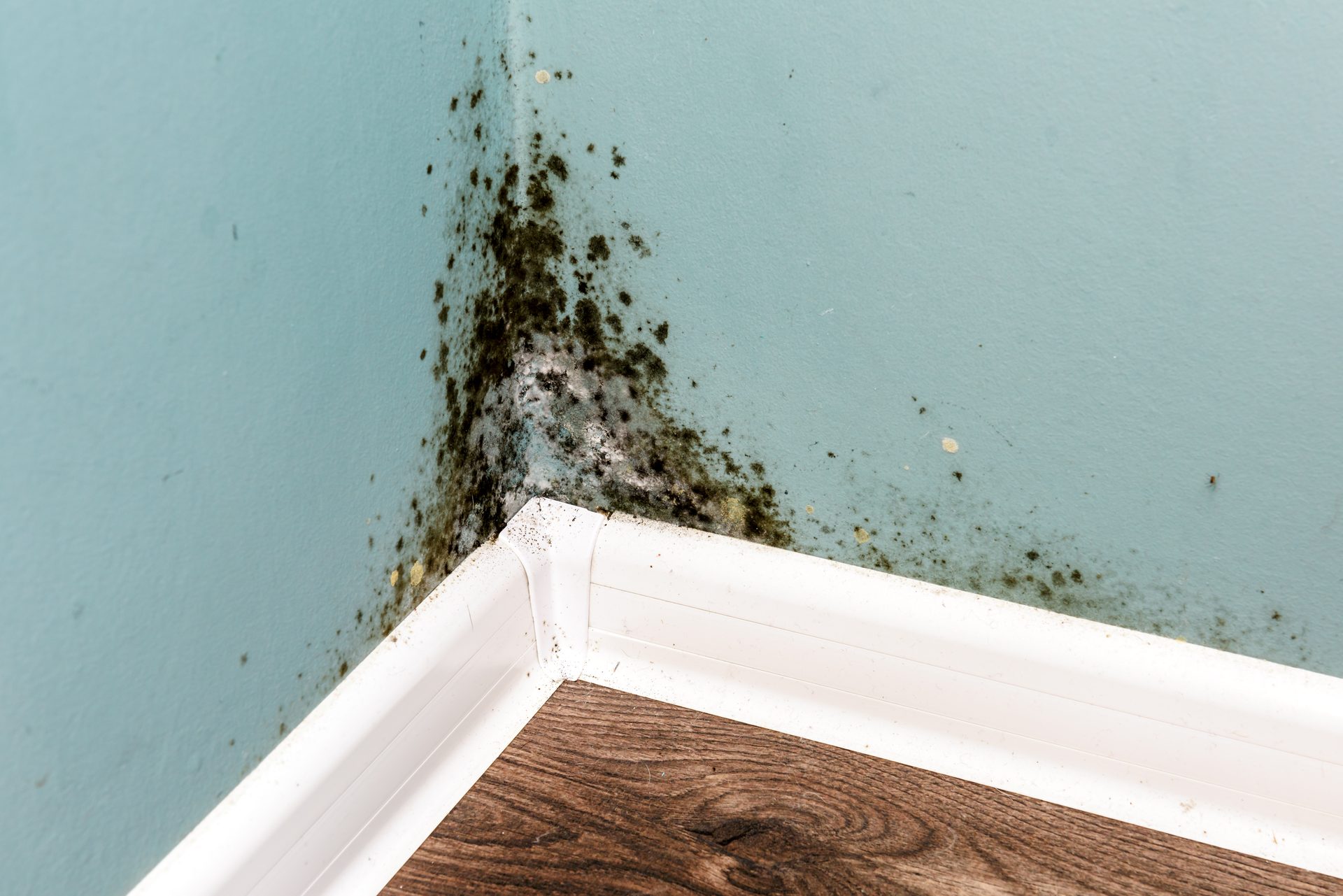
The main types of damp
Not all damp is the same, and treating the wrong type wastes money. There are three main kinds landlords come across.
Condensation
This is by far the most common cause. Warm air holds moisture, and when it meets a cold surface such as a window, an external wall or a corner, the moisture turns into water droplets. Cooking, showering, drying clothes indoors and even breathing all add moisture to the air. Where the room is poorly ventilated or poorly heated, the moisture builds up and mould follows.
Signs include water on windows, black mould in corners and behind furniture, and a musty smell, particularly in winter.
Penetrating damp
Penetrating damp is water getting in from outside through a defect in the building. Typical causes include leaking gutters and downpipes, damaged roof tiles, cracked render, failed pointing, faulty flashing or a leaking window frame. It often shows as damp patches that get worse after rain.
Rising damp
Rising damp is moisture travelling up through walls from the ground, usually due to a failed or missing damp proof course. It tends to leave a tide mark low on the wall, peeling paint or plaster and sometimes white salt deposits. It is less common than people think, and condensation or penetrating damp is often mistaken for it, so a proper survey matters.
Leaks from plumbing, waste pipes and appliances can also cause damp, so it is always worth ruling those out.
What causes mould?
Mould needs moisture, a food source such as paint, wallpaper or dust, and a suitable temperature. The moisture is the one thing you can control. Whether it comes from condensation, a leak or a rising damp problem, removing the source is the only lasting solution.
Bathrooms, kitchens, bedrooms with poor ventilation and rooms that are kept cold are the usual places. Furniture pushed against external walls often traps moisture and leads to mould behind it.
Your responsibilities as a landlord
Landlords in England have a legal duty to provide a home that is fit for human habitation, and serious damp and mould can make a home unfit. You also have repair obligations covering the structure and exterior, heating and hot water, and sanitation. The Housing Health and Safety Rating System, used by local councils, treats damp and mould growth as a hazard they can act on.
Legislation around damp and mould in the rented sector is tightening, and recent reforms such as Awaab’s Law in social housing have raised expectations for how quickly problems should be investigated and fixed. The government has indicated that similar standards are coming for private landlords, so it makes sense to be prepared now. Check the latest guidance, as the rules change.
The key point is that you cannot simply blame the tenant. Even where lifestyle plays a part, landlords are expected to investigate the cause properly, provide adequate ventilation and heating and carry out repairs promptly.
How to deal with a damp or mould complaint
When a tenant reports a problem, a clear process helps you respond quickly and fairly.
- Respond promptly: acknowledge the report quickly and arrange an inspection.
- Identify the cause: check for leaks, roof and gutter defects, ventilation, heating and signs of rising damp before deciding on a fix.
- Fix the source first: repair the leak, clear the gutter, improve ventilation or deal with the building defect.
- Treat the mould: clean affected areas using a suitable mould treatment and redecorate with appropriate paint once the surface is dry.
- Keep records: photos, dates, reports and invoices protect you and show you acted properly.
- Follow up: check back with the tenant to confirm the problem has not returned.
Simply painting over mould does not work. It will come back, often worse, unless the moisture problem is solved.
How to fix damp and mould in rental property
The right fix depends on the cause.
If it is condensation
Improve ventilation first. Make sure extractor fans in kitchens and bathrooms work and are actually used. Add trickle vents or open window vents where appropriate. Consider a humidity-controlled extractor fan, which switches on automatically when moisture levels rise.
Then look at heating and insulation. A consistent, moderate level of heat and a well-insulated property reduce cold surfaces where condensation forms. In some cases a dehumidifier helps as a short-term measure, but it should not replace fixing the underlying issue.
If it is penetrating damp
Repair the defect that is letting water in. That might mean clearing or replacing gutters, repairing roof tiles, repointing brickwork, fixing render or replacing a failed window seal. Once the building is watertight, let the wall dry out before redecorating.
If it is rising damp
Have a qualified surveyor assess the property to confirm it really is rising damp. Treatment may include a new damp proof course, replastering with a suitable material and correcting external ground levels. It is a more involved repair, so get proper advice first.
If there is a leak
Find and fix the leak straight away, then dry the affected area thoroughly before repairing and redecorating. Hidden leaks behind walls or under floors can run for a long time, so a professional check is worthwhile.
How to prevent damp and mould between tenancies and during them
Prevention is cheaper and easier than cure. A routine maintenance approach helps you catch issues before tenants have to complain. Our guides on avoiding costly repairs with a landlord maintenance checklist and property maintenance tips for landlords set out a sensible routine.
- Check gutters, downpipes, roofs and render at least once a year and after storms.
- Service and test extractor fans and make sure they are properly ducted outdoors.
- Inspect bathrooms and kitchens for failed sealant around baths, showers and sinks.
- Keep heating systems working and make sure tenants have an adequate way to heat the property.
- Include a damp and ventilation check in each inspection and at tenant changeover.
- Give tenants clear, friendly advice about ventilation, drying clothes and reporting problems early.
If you want a broader picture of what regular upkeep involves, read our article on what general maintenance means for landlords.
Advice you can share with tenants
Tenants can help reduce moisture too, and many are happy to when they understand why. Friendly, non-blaming guidance works best. Suggest that they:
- Open windows for a few minutes each day to let moist air out, especially after showering or cooking.
- Use extractor fans and keep bathroom and kitchen doors closed when steam is being produced.
- Dry clothes outdoors or in a ventilated room where possible, rather than on radiators in a closed room.
- Keep furniture a few centimetres away from external walls so air can circulate.
- Wipe condensation from windows and sills in the morning.
- Report leaks, damp patches or mould early, before they spread.
Make sure you also provide the means to do these things, for example working fans and heating. Advice on its own is not enough if the property is hard to ventilate or heat.
Common mistakes landlords make
- Treating the visible mould and ignoring the cause.
- Assuming it is always a lifestyle problem and blaming the tenant.
- Mistaking condensation for rising damp, and paying for a damp proof course that does nothing.
- Delaying a response, which lets the problem and the repair bill grow.
- Failing to keep records of complaints and repairs.
- Using the cheapest quick fix instead of a proper repair, which leads to repeat callouts.
Questions landlords often ask
Is damp and mould the tenant’s fault?
Sometimes lifestyle contributes, but landlords are still responsible for investigating and for making sure the property can be adequately ventilated and heated. Blaming the tenant without checking is risky.
How quickly should I respond to a report?
As soon as possible. Acknowledge it promptly and inspect without delay. If there is a serious leak or a health concern, act urgently.
Can I charge the tenant for mould cleaning?
Only in limited situations, such as where damage was clearly caused by the tenant. In most cases mould is linked to the building or ventilation, so you are likely to be responsible. Take advice if you are unsure.
Will a dehumidifier solve the problem?
It can help control moisture in the short term, but it does not fix leaks, building defects or poor ventilation. Treat it as a support measure, not the solution.
Winter checks that catch problems early
Autumn is the best time to get ahead of damp and mould in rental property. Cold walls and closed windows are the perfect recipe for condensation, so a quick inspection before the heating goes on can save a lot of trouble. Look at window frames, the corners of external walls, behind wardrobes and around bathroom ceilings, and make a note of anything that looks dark, speckled or feels damp to the touch.
Check the outside too. Blocked gutters, cracked downpipes, missing roof tiles and raised soil against the wall are all common culprits, and they are far cheaper to fix in October than in February. Take dated photos as you go, because a simple record protects both you and your tenant if a question comes up later.
Talking to tenants without blame
Most tenants want a dry, healthy home as much as you do. The fastest way to deal with a report is to respond quickly, thank them for telling you and arrange a visit. Avoid suggesting that their lifestyle is the cause before you have looked properly, as many problems turn out to be building faults.
It still helps to share simple, friendly advice: wipe condensation from windows, use extractor fans while cooking and showering, keep furniture a few centimetres off external walls and dry washing in a vented room. Put this in a short welcome note so it feels like helpful guidance rather than criticism. Handled this way, damp and mould in rental property becomes a shared job rather than a dispute.
Keeping records and staying ahead of the rules
Landlords have a duty to keep a home fit to live in, and councils take reports of damp seriously. Keep a clear log of every report, visit, repair and follow-up, along with invoices and photos. If a problem returns, you will be able to show what was done and when, and spot patterns such as a leak that only appears after heavy rain.
If you are unsure whether a patch is simple condensation or a deeper fault, ask a qualified tradesperson to take a look rather than painting over it. A proper diagnosis costs far less than repeated cosmetic fixes, and it gives you confidence that the cause has really been dealt with.
Talk to Knight Landlord Services
If you have a damp or mould problem, or you want to put a maintenance routine in place across your rental properties, we would be happy to help. Get in touch with our team and tell us about the property, or visit our home page to see how we look after landlords. We will find the real cause, fix it properly and help stop it coming back.
Share This Story, Choose Your Platform!
About Knight Landlord Services